Your Gateway to Flores' Rich Biodiversity
Herping in Flores: Top 3 Locations for Reptiles & Amphibians
19 July 2026 287x Trip Report
Herping in Flores: Top 3 Locations for Reptiles & Amphibians
Flores Island, one of the most fascinating destinations in East Nusa Tenggara, Indonesia, is becoming increasingly popular among travelers. The island’s rich natural heritage, diverse landscapes, and vibrant culture attract visitors from around the world.
In addition to its spectacular scenery and remarkable wildlife, Flores Island is not only an excellent destination for birdwatching enthusiasts but also a rewarding location for herpers seeking reptiles and amphibians unique to the Lesser Sunda Islands.
As a local herping guide from Flores, I would like to share my recommendations for the top three herping highlights in West Flores. This guide aims to help herpers and nature enthusiasts discover some of the island’s best herping locations while maximizing their chances of encountering Flores’ unique reptile and amphibian species.
1. Labuan Bajo, West Manggarai
Labuan Bajo, located on the western tip of Flores Island, is one of the most visited destinations in East Nusa Tenggara. The town is famous for its stunning coastal landscapes, spectacular sunsets, and its role as the main gateway to see the world’s largest lizard, Komodo Dragon.
Beyond its tourism appeal, the surrounding mosaic of dry lowland forests, scrublands, and rocky hills provides excellent habitat for a variety of reptiles and amphibians. Herpers visiting the area may encounter the green and yellow color morphs of the Lesser Sunda White-lipped Pit Viper Trimeresurus insularis, the Lesser Sunda Cat Snake Boiga hoeseli, Mock Viper Psammodynastes pulverulentus, Lesser Sunda Bronzeback Dendrelaphis inornatus, and several other reptile species characteristic of the Lesser Sunda Islands.
2. Snake Palace, West Manggarai
Located east of Labuan Bajo, Snake Palace is one of the most famous herping destinations in West Flores. Reaching the site requires traveling along narrow and often rough roads, making access somewhat challenging. The journey takes approximately three hours from Labuan Bajo, followed by a 15-minute walk to the cave entrance.
The cave is well known as a roosting site for thousands of Western Naked-backed Fruit Bats Dobsonia peronii. It is also home to Reticulated Pythons Malayopython reticulatus, which can often be observed preying on bats near the cave entrance. Other species occasionally recorded in the area include the Lesser Sunda Rat Snake Coelognathus subradiatus, Mock Viper Psammodynastes pulverulentus, and the green Lesser Sunda White-lipped Pit Viper Trimeresurus insularis.
A more detailed account of species encounters and observations from this site can be found here.
3. Komodo National Park
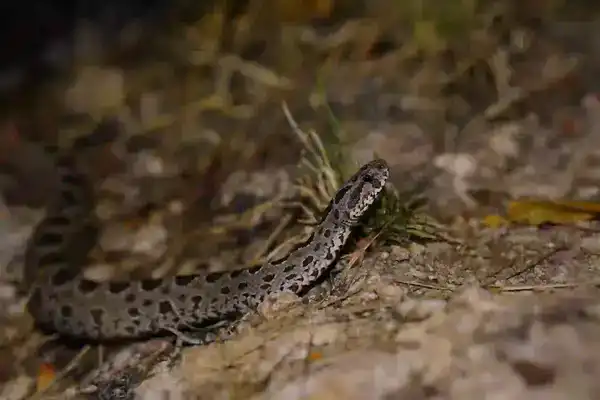
Komodo National Park is globally renowned as the natural habitat of the Komodo Dragon Varanus komodoensis, the world’s largest living lizard. Located between the islands of Sumbawa and Flores, the park consists of three major islands—Komodo, Rinca, and Padar—as well as numerous smaller islands that create one of Indonesia’s most spectacular landscapes.
In addition to the Komodo Dragon, the park supports a diverse reptile community and several endemic species to the Lesser Sunda region. Among the most sought-after species for herpers are the blue color morph of the Lesser Sunda White-lipped Pit Viper Trimeresurus insularis and the Timor Python Malayopython timoriensis.
The striking blue pit viper found on several islands within the park have become one of the most iconic reptile attractions in Indonesia, drawing herpers and wildlife photographers from around the world.
Conclusion
The three herping locations described above represent some of the most productive and accessible sites for reptile enthusiasts visiting West Flores. However, many areas across the island remain poorly surveyed and deserve further exploration.
Continued research on species distribution and habitat use not only enhances the herping experience but also contributes valuable information for future conservation initiatives throughout Flores and the Lesser Sunda Islands.
Want to see these reptiles yourself?
Join our Labuan Bajo Herping Tour – One Night Adventure with a local guide. We will take you to the exact spots to find them. See Labuan Bajo Herping Tour detail here.
Contact us on WhatsApp for available dates and price or by email: floresnaturetour@gmail.com for customize itinerary and other wildlife expeditions.
Where Is Flores?
Flores is located in East Nusa Tenggara Province, Indonesia. The island forms part of the Lesser Sunda Islands and is divided into eight regencies: West Manggarai, Manggarai, East Manggarai, Ngada, Nagekeo, Ende, Sikka, and East Flores.
How Many Snake Species Occur on Flores?
At least 17 snake species have been recorded on Flores, several of which are endemic to the Lesser Sunda Islands. Notable examples include the Lesser Sunda White-lipped Pit Viper Trimeresurus insularis, Lesser Sunda Cat Snake Boiga hoeseli, Lesser Sunda Rat Snake Coelognathus subradiatus, and Lesser Sunda Bronzeback Dendrelaphis inornatus.
What Is the Best Time for Herping in Flores?
The best time for herping in Flores is generally at night, as many reptile and amphibian species are primarily nocturnal. The most favorable season typically runs from March to November, when sea conditions are calmer and vegetation is less dense, making wildlife easier to locate and observe.
Do I Need a Herping Guide in Flores?
Yes. Hiring an experienced local herping guide can significantly improve your chances of finding reptiles and amphibians in Flores. Local guides are familiar with the best herping locations, species behavior, and seasonal activity patterns. They can also help identify venomous and non-venomous snakes, ensuring a safer and more productive night walk experience.
Can I Combine Herping, Birdwatching, and a Komodo Tour in Flores?
Yes, absolutely. Herping can easily be combined with birdwatching and visits to Komodo National Park. This combination allows visitors to experience a wider range of Flores’ biodiversity, from endemic birds, reptiles and amphibians to the iconic Komodo Dragon, making for a more rewarding wildlife expeditions.
Maybe you are interested in reading the following article:
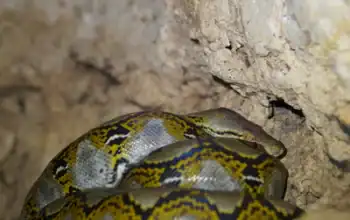
Exploring Snake Palace in Flores: Searching for Reticulated Python
Exploring Snake Palace in Flores: Searching for Reticulated Python | November 2024 Participants: Zack & Josh – 2 Pax from Australia Date: November 13, 2024 Location: Snake Palace, Weto – West Manggarai, Flores Target Species: Reticulated Python Malayopython reticulatus Introduction Snake Palace in Flores is one of the most recomended herping ... read more
Flores Birding Tour Report | May 2026
Flores & Komodo Birding Tour Report: Flores endemics and Yellow-crested Cockatoo | May 2026 Author and Leader: Afin Gagu Participants: John and Debbie – 2 pax from USA Date: May 22 – 24, 2026 Location: Flores and Komodo Island, East Nusa Tenggara Province Target species: Flores endemics and the Critically Endangered Yellow-crested Cockatoo Ca... read more
Birding in Flores: Top 5 Locations for Endemic Birds
Birding in Flores: Top 5 Locations for Endemic Birds Flores Island in East Nusa Tenggara, Indonesia, is one of the best destinations for birdwatching and endemic birds in Wallacea. The island’s rich natural heritage, diverse landscapes, and vibrant culture attract visitors from around the world. In addition to its famous scenery and wildlife, Flores is... read more
Contact Us
If you have any questions, please contact us.
-
Hotline
+6282147315739 -
Whatsapp
+6282147315739 -
Email
floresnaturetour@gmail.com


No comment yet